
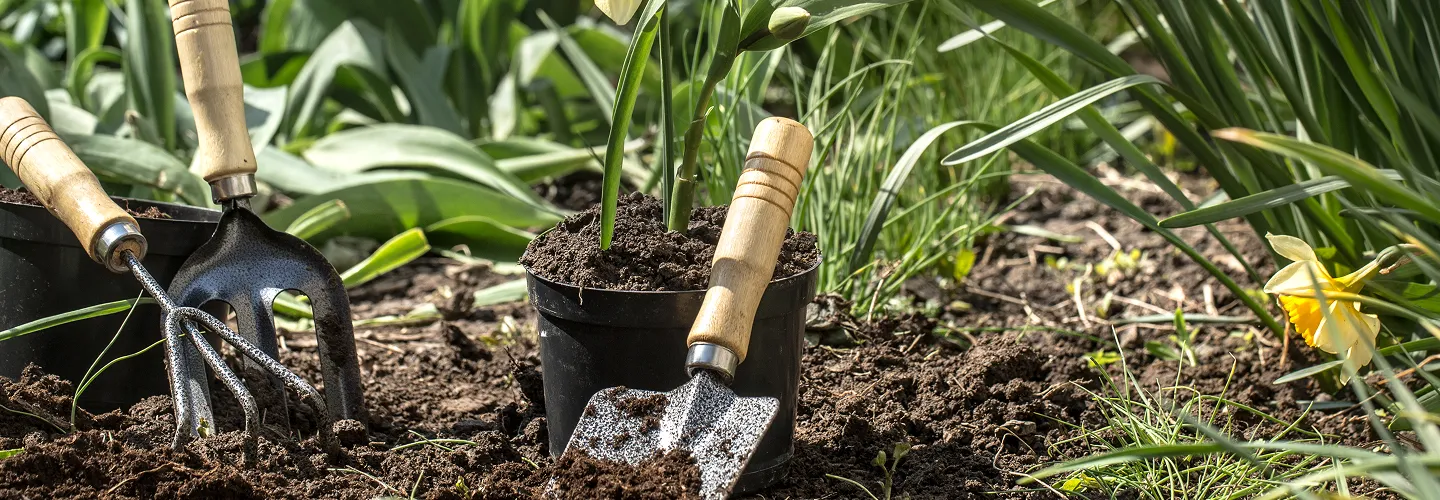
Apache Wells Flower Bed Maintenance Services
Choose our Flower Bed Maintenance for expert care that keeps your garden healthy, colorful, and weed-free all season long—so you can enjoy stunning flower beds without the hassle.
Get a Free QuoteOur Apache Wells Landscaping & Yard Care Services
When to Schedule Flower Bed Maintenance in Apache Wells, Arizona – Seasonal Guide
In Apache Wells, Arizona, the timing of flower bed maintenance is crucial for ensuring vibrant, healthy landscapes throughout the year. Due to our unique desert climate, with its hot summers and mild winters, the best periods for maintenance are typically early spring and late fall. These windows allow for planting, pruning, and soil amendments before the intense summer heat or cooler winter nights set in. Local neighborhoods like Sunland Village East and areas near the Apache Wells Country Club often experience microclimates influenced by shade from mature trees and proximity to golf course irrigation, which can affect soil moisture and plant health.
Environmental factors such as the region’s average last frost date in early February, the risk of summer drought, and the prevalence of caliche soils all play a role in determining the optimal maintenance schedule. Homeowners should also consider municipal guidelines and water restrictions, which can be found on the official city website, to ensure compliance and sustainability. By tailoring your flower bed care to Apache Wells’s specific conditions, you can enjoy lush, colorful gardens that thrive year-round.
Local Factors to Consider for Flower Bed Maintenance in Apache Wells
- Tree density and shade coverage, especially in neighborhoods with mature landscaping
- Soil type, including areas with caliche or sandy soils
- Seasonal precipitation patterns and drought risk
- Proximity to golf courses or community green spaces
- Municipal water use restrictions and local ordinances
- Terrain variations, such as sloped yards or low-lying areas prone to runoff
Benefits of Flower Bed Maintenance in Apache Wells
Enhanced Curb Appeal
Weed and Pest Prevention
Healthier Plant Growth
Seasonal Color Management
Professional Expertise
Time and Effort Savings
Apache Wells Flower Bed Maintenance Types

Seasonal Flower Planting
-
Weed Control Services
-
Mulching and Soil Conditioning
-
Pruning and Deadheading
-
Fertilization Programs
-
Irrigation System Checks
-
Pest and Disease Management
Our Flower Bed Maintenance Process
Site Evaluation
Weed Removal
Soil Preparation
Plant Care
Mulching
Why Choose Apache Wells Landscape Services
-
Apache Wells Homeowners Trust Us
-
Reliable Lawn Maintenance
-
Competitive Pricing
-
Professional Team
-
Satisfaction Guarantee
-
Personalized Service
-
Timely Project Completion
Coordinating Flower Bed Maintenance with Mesa Municipal Programs in Apache Wells
Apache Wells is an unincorporated community situated within the City of Mesa's jurisdictional boundaries in the East Valley of the Phoenix metropolitan area. Residents and property managers maintaining flower beds in this area should coordinate with Mesa's municipal departments for guidance on green waste disposal, water conservation compliance, and landscape-related code requirements. Mesa's environmental programs address stormwater protection and sustainability initiatives that directly affect how organic debris, soil amendments, and irrigation runoff from flower beds are managed at the property level. When flower bed maintenance generates green waste such as spent annuals, trimmed perennials, or displaced mulch, property owners should verify current collection procedures and accepted materials through the city's waste and environmental programs.
- Confirm green waste bundling and container requirements before placing organic bed debris at the curb
- Coordinate with Mesa's environmental services division regarding stormwater-safe disposal of soil and plant material
- Review any applicable landscape maintenance standards for properties within HOA-governed portions of Apache Wells
Mesa Environmental Services
20 E. Main Street, Mesa, AZ 85201
Official Website: Mesa Environmental Services
Property owners with questions about water use during flower bed irrigation should also consult Mesa's utility programs, which administer conservation guidelines relevant to drip emitter systems and landscape watering schedules.
Mesa Water & Wastewater Utilities
20 E. Main Street, Mesa, AZ 85201
Official Website: Mesa Water & Wastewater Utilities
How Apache Wells's Low-Desert Heat and Alkaline Soils Affect Flower Beds
Apache Wells sits squarely in the low Sonoran Desert, classified within USDA Hardiness Zone 9b–10a according to the USDA Plant Hardiness Zone Map. This placement subjects flower beds to extreme summer temperatures that routinely exceed 110°F, intense solar radiation reflected off block walls and concrete surfaces, and prolonged dry periods between monsoon events. Soils in the East Mesa area are typically alkaline sandy loams with pH values commonly ranging above 7.5, and subsurface caliche layers can restrict root penetration and drainage. The Arizona Department of Water Resources emphasizes efficient irrigation practices for desert landscapes, which is especially relevant for flower beds relying on drip emitters in Apache Wells.
- Alkaline soil limits iron and micronutrient availability, often causing chlorosis in non-adapted flowering species
- Caliche hardpan may require mechanical breaking or raised bed construction to ensure adequate root depth and drainage
- Reflected heat from south- and west-facing walls can elevate bed-surface temperatures well beyond ambient air readings
- Monsoon runoff during July through September can displace mulch, erode bed edges, and deposit sediment into adjacent drainage paths
- Salt accumulation from municipal or well water irrigation concentrates in the root zone during hot months, stressing sensitive annuals
Navigating Apache Wells's Regulatory Requirements for Flower Bed Maintenance
Flower bed maintenance in Apache Wells falls under Mesa's municipal code framework, which includes property maintenance standards, stormwater management obligations, and pesticide application regulations enforced at the state level. Any chemical weed control or pest treatment applied within flower beds must comply with Arizona Department of Agriculture licensing requirements, which mandate that commercial applicators hold valid certification. Residents applying products themselves should follow all label directions and avoid allowing herbicide or fertilizer runoff to enter storm drains, curb inlets, or nearby washes, consistent with Arizona DEQ stormwater regulations and the federal Clean Water Act.
- Verify that any hired maintenance provider holds current Arizona pest management licensing if applying chemical treatments
- Prevent soil, mulch, and organic debris from entering Mesa's municipal separate storm sewer system during bed renovation
- Review Mesa's development codes and ordinances for any landscape screening or frontage appearance requirements applicable to the property
- Manage noxious weed species identified by the Arizona Department of Agriculture promptly to prevent spread into adjacent lots or common areas
Timing and Methods for Flower Bed Maintenance in Apache Wells's Climate
Professional flower bed maintenance in Apache Wells follows a seasonal rhythm dictated by the low-desert climate. Cool-season annuals such as petunias, snapdragons, and pansies are typically planted between October and early November, while warm-season selections like vinca, lantana, and zinnias are installed after the last frost risk has passed, generally in mid-March through April. Deadheading spent blooms, removing bolted plants, and refreshing mulch layers are ongoing tasks that intensify during seasonal transitions.
- Apply organic or decomposed granite mulch to a depth commonly recommended at two to three inches to moderate soil temperature and reduce evaporation
- Inspect drip emitters and micro-sprayers monthly, cleaning mineral deposits that accumulate from hard irrigation water
- Schedule weed suppression before monsoon season, as summer rains trigger rapid germination of buffelgrass, spurge, and other opportunistic species
- Avoid major bed disturbance or replanting during peak summer heat, when soil surface temperatures can exceed 150°F and transplant shock is severe
- Flush accumulated salts from the root zone with periodic deep irrigation cycles during cooler months, directing leachate away from hardscape and drainage infrastructure
Soil amendment with sulfur or iron chelates may be necessary in Apache Wells beds where high pH restricts nutrient uptake, though application rates should be guided by soil test results rather than generalized formulas.
What Neighborhoods Do We Serve Throughout Apache Wells, AZ?
- Apache Wells Mobile Home Community — This established 55-plus community features compact lots with mature ornamental plantings and drip-irrigated flower beds that require consistent seasonal rotation and emitter maintenance.
- Leisure World — Adjacent to Apache Wells proper, properties here often include raised flower beds along entryways and patios where reflected heat from block walls demands heat-tolerant species selection.
- Sunland Village — Larger lot footprints in this nearby East Mesa community support more extensive flower bed layouts, with irrigation systems that benefit from regular auditing and mulch replenishment.
- Fountain of the Sun — Desert-adapted flower beds in this active-adult community frequently border common-area washes and retention basins, requiring careful runoff management during monsoon events.
- Dreamland Villa — Older irrigated lots in this subdivision often present compacted or caliche-affected soils that influence bed preparation, drainage, and root establishment for seasonal plantings.