
Apache Wells Hedging Services
Choose our professional hedging services for precise, healthy, and beautifully shaped hedges that enhance your property's curb appeal, provide privacy, and require minimal maintenance year-round.
Get a Free QuoteOur Apache Wells Landscaping & Yard Care Services
When to Schedule Hedging in Apache Wells, Arizona – Seasonal Guide
In Apache Wells, Arizona, timing your hedging services is crucial for maintaining healthy, attractive landscapes. The region’s unique climate—characterized by hot, dry summers and mild winters—means that the best periods for hedging are typically late winter through early spring, before new growth begins. This allows plants to recover quickly and thrive as temperatures rise. Local neighborhoods such as Sunland Village East and areas near the Apache Wells Country Club often experience microclimates, so it’s important to consider your property’s specific conditions.
Environmental factors like the risk of late frosts, periods of drought, and varying soil types (from sandy to clay-rich) all play a role in determining the optimal hedging schedule. Properties with dense shade from mature trees or those near the Salt River may require different timing compared to homes in more exposed areas. Consulting with a local expert ensures your hedges are trimmed at the right time for both aesthetics and plant health.
Local Factors to Consider for Hedging in Apache Wells
- Tree and shrub density on your property
- Proximity to landmarks like Apache Wells Country Club or Sunland Village East
- Typical precipitation patterns and drought risk
- Soil composition and drainage
- Municipal restrictions or HOA guidelines
- Frost dates and seasonal temperature shifts
- Amount of shade versus sun exposure
Benefits of Hedging in Apache Wells
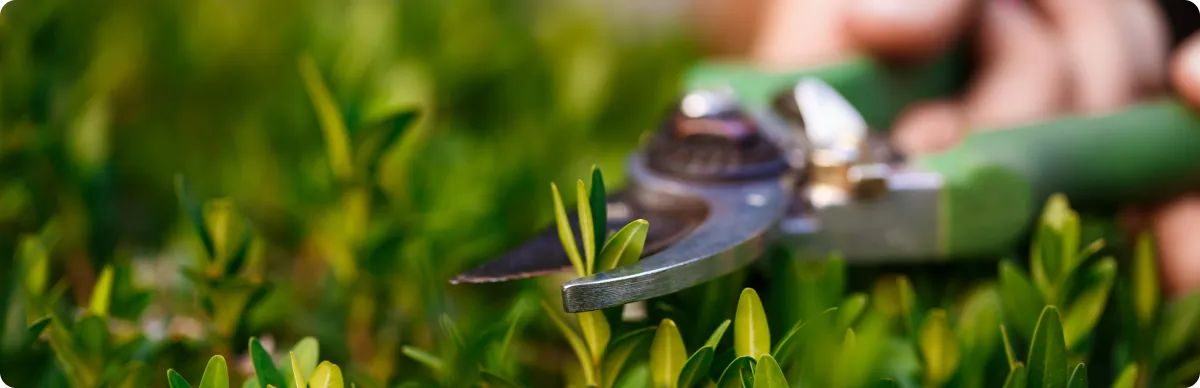
Enhanced Curb Appeal
Increased Property Value
Improved Privacy
Professional Maintenance
Customized Landscape Solutions
Year-Round Healthy Growth
Apache Wells Hedging Types

Boxwood Hedges
-
Privet Hedges
-
Oleander Hedges
-
Texas Sage Hedges
-
Indian Laurel Hedges
-
Pyracantha Hedges
-
Hopseed Bush Hedges
Our Hedging Process
Consultation and Planning
Site Preparation
Precision Trimming
Cleanup and Inspection
Why Choose Apache Wells Landscape Services
-
Apache Wells Homeowners Trust Us
-
Reliable Lawn Maintenance
-
Competitive Pricing
-
Professional Team
-
Satisfaction Guarantee
-
Personalized Service
-
Timely Project Completion
Coordinating Hedge Maintenance With Mesa Municipal Services in Apache Wells
Apache Wells is an unincorporated community situated within the City of Mesa's jurisdictional boundaries in east Mesa, meaning residents coordinate landscape maintenance—including hedging—through Mesa's municipal departments. Property owners maintaining hedges along sidewalks, shared boundaries, or street-facing frontages should be aware that the City of Mesa enforces property maintenance standards that may affect hedge height, visibility at intersections, and encroachment into public rights-of-way. Before undertaking significant hedge reshaping or removal along property lines adjacent to streets or drainage easements, residents should verify current requirements through Mesa's development and planning offices.
- Hedge clippings and green waste generated from shaping must be managed according to Mesa's bulk collection and disposal guidelines
- Hedges encroaching on sidewalks or obstructing sight triangles at intersections may trigger code compliance review
- Properties adjacent to public parks or drainage corridors should confirm whether easement restrictions apply to hedge placement or height
Mesa Development Services
55 N. Center St., Mesa, AZ 85201
Official Website: Mesa Development Services
How Apache Wells's Low-Desert Heat and Alkaline Soils Affect Hedging
Apache Wells sits within USDA Hardiness Zone 9b in the Phoenix metro low-desert region, where summer temperatures routinely exceed 110°F and annual rainfall averages under eight inches. These conditions directly influence hedge species selection, shaping frequency, and irrigation demands. Soils throughout east Mesa commonly feature alkaline sandy loam with caliche layers at varying depths, which restricts root penetration and limits moisture retention. Hedges planted in these soils often require supplemental iron applications to counteract chlorosis caused by high pH levels. The USDA Plant Hardiness Zone Map confirms the extreme heat classification for this area, and the USDA Web Soil Survey provides parcel-level soil data relevant to planting decisions.
- Reflected heat from block walls and concrete driveways intensifies thermal stress on hedge foliage facing south or west
- Caliche layers may require mechanical breaking or raised planting beds for adequate root establishment
- Irrigation dependence is year-round, with drip emitter systems preferred over overhead spray to reduce water waste and foliar salt deposits
Navigating Apache Wells's Zoning and Stormwater Rules for Hedge Compliance
Hedge maintenance in Apache Wells falls under Mesa's municipal code framework, which addresses vegetation encroachment, sight-distance requirements at street corners, and property maintenance standards. Residents should consult Mesa Development Codes, Ordinances & Regulations to verify whether hedge height or placement triggers any zoning review, particularly on corner lots or properties fronting collector streets. Stormwater compliance is also relevant: hedge clippings, soil, and organic debris must not be allowed to enter curb inlets, retention basins, or drainage channels. The Arizona DEQ stormwater program outlines broader MS4 obligations that apply to Mesa's municipal stormwater system, and contractors performing commercial hedging work should ensure debris is contained on-site.
- Corner-lot hedges may be subject to sight-triangle restrictions to maintain driver visibility
- Green waste from hedging must be kept out of storm drains and wash corridors
- Pesticide or growth-regulator applications on hedges require proper licensing under the Arizona Department of Agriculture
Mesa Environmental Services
Official Website: Mesa Environmental Services
Timing and Methods for Professional Hedge Shaping in Apache Wells
Hedge shaping in the low desert follows a seasonal rhythm dictated by plant growth cycles and extreme heat exposure. Most common hedge species in Apache Wells—including oleander, Texas sage, privet, and Indian hawthorn—respond well to shaping during late winter through early spring before the intense summer heat arrives. A secondary light shaping can occur in early fall after monsoon season subsides. Shearing during peak summer months risks sunscald on newly exposed interior wood and foliage burn from radiant heat.
- Schedule primary structural shaping between February and April, when plants are entering active growth and can recover quickly
- Avoid heavy pruning from June through August, as exposed interior branches are vulnerable to sunburn and desiccation
- Post-monsoon cleanup shaping in September or October addresses storm-damaged growth and restores form before winter dormancy
- Maintain irrigation consistency before and after shaping events to support recovery; drip systems should deliver water to the root zone rather than wetting foliage
- Use sanitized, sharp tools to produce clean cuts that reduce disease entry points, particularly important in the dry climate where wound-sealing is slow
The Arizona Department of Forestry and Fire Management provides additional context on urban vegetation management standards relevant to communities within Mesa's boundaries.
Mesa Parks, Recreation & Community Facilities
Official Website: Mesa Parks, Recreation & Community Facilities
What Neighborhoods Do We Serve Throughout Apache Wells, AZ?
- Apache Wells Mobile Home Community — Mature oleander and privet hedges are common along lot perimeters, requiring regular shaping to maintain clearance from walkways and shared driveways in this established 55-plus community.
- Leisure World — Properties in this adjacent retirement community frequently feature dense boundary hedges that benefit from seasonal thinning to improve air circulation in the low-desert heat.
- Velda Rose Estates — Compact lot sizes and close-set homes make hedge visibility and height management particularly important for maintaining neighbor relations and sight lines along interior streets.
- Sunland Village — Larger common-area hedges and individual lot plantings in this east Mesa community often require coordination with HOA appearance standards for uniform shaping.
- Fountain of the Sun — Desert-adapted hedge species such as Texas sage and jojoba are prevalent here, requiring shaping methods that respect natural growth forms while maintaining tidy frontages.
- Mesa East — Properties along major corridors in the broader east Mesa area may have hedges subject to right-of-way clearance requirements, particularly where vegetation borders sidewalks or bike lanes.